Transport Is Half the Cost of a Tote Program
The purchase price of a tote is only part of what it costs to use one. Freight, both delivering full containers and recovering empty ones, often rivals the container cost itself. Operations that treat transport as an afterthought pay for it in half-empty trucks and totes that pile up unused.
Reverse logistics, the discipline of moving containers back through the supply chain for reuse, is where the biggest savings and the biggest emissions cuts hide. Every empty tote you recover and reuse is a new tote you never had to buy and never had to make.
This guide covers both directions of the journey so you can run a leaner, greener tote program.
Plan Pickups Instead of Reacting to Them
Ad hoc pickups are the enemy of efficiency. A single truck dispatched to grab a few empties from one site burns fuel and driver time for very little return. The fix is to schedule recovery on a predictable cadence and to batch it.
Give each site a target quantity to accumulate before a pickup is triggered, so trucks arrive to a full load rather than a handful of units. Predictable scheduling also lets you combine a delivery of reconditioned totes with the recovery of empties on the same visit, cutting the trips in half.
Run Milk Runs to Keep Trucks Full
A milk run is a single route that visits several sites in sequence, dropping full totes and collecting empties along the way, much like an old milk delivery route. It is the most powerful tool in reverse logistics because it keeps a truck productive in both directions.
Design routes so a truck delivers on the outbound leg and returns loaded with empties, minimizing the miles it runs empty. Sequencing stops geographically and matching drop and pickup quantities at each stop is the art here, and it directly lowers cost per tote and fuel burned per container.
- Group nearby sites onto one sequenced route
- Deliver full totes and collect empties on the same run
- Match drop and pickup counts to keep the truck loaded
- Set accumulation thresholds so stops are worth the visit
- Review routes seasonally as volumes shift
Make Empty Recovery Actually Happen
Empties that never get recovered quietly become waste, and every lost tote is a tote you have to replace. The barrier is usually not cost but organization: no one owns the empties, so they clutter a yard until they are scrapped.
Assign clear responsibility at each location for staging empties in a defined spot, ready for pickup. Standardize how empties are prepared, valves closed, caps on, drained and reasonably clean, so recovery is fast and the totes arrive fit for reconditioning. A visible staging area and a simple count make recovery predictable rather than a scavenger hunt.
Secure Every Load Correctly
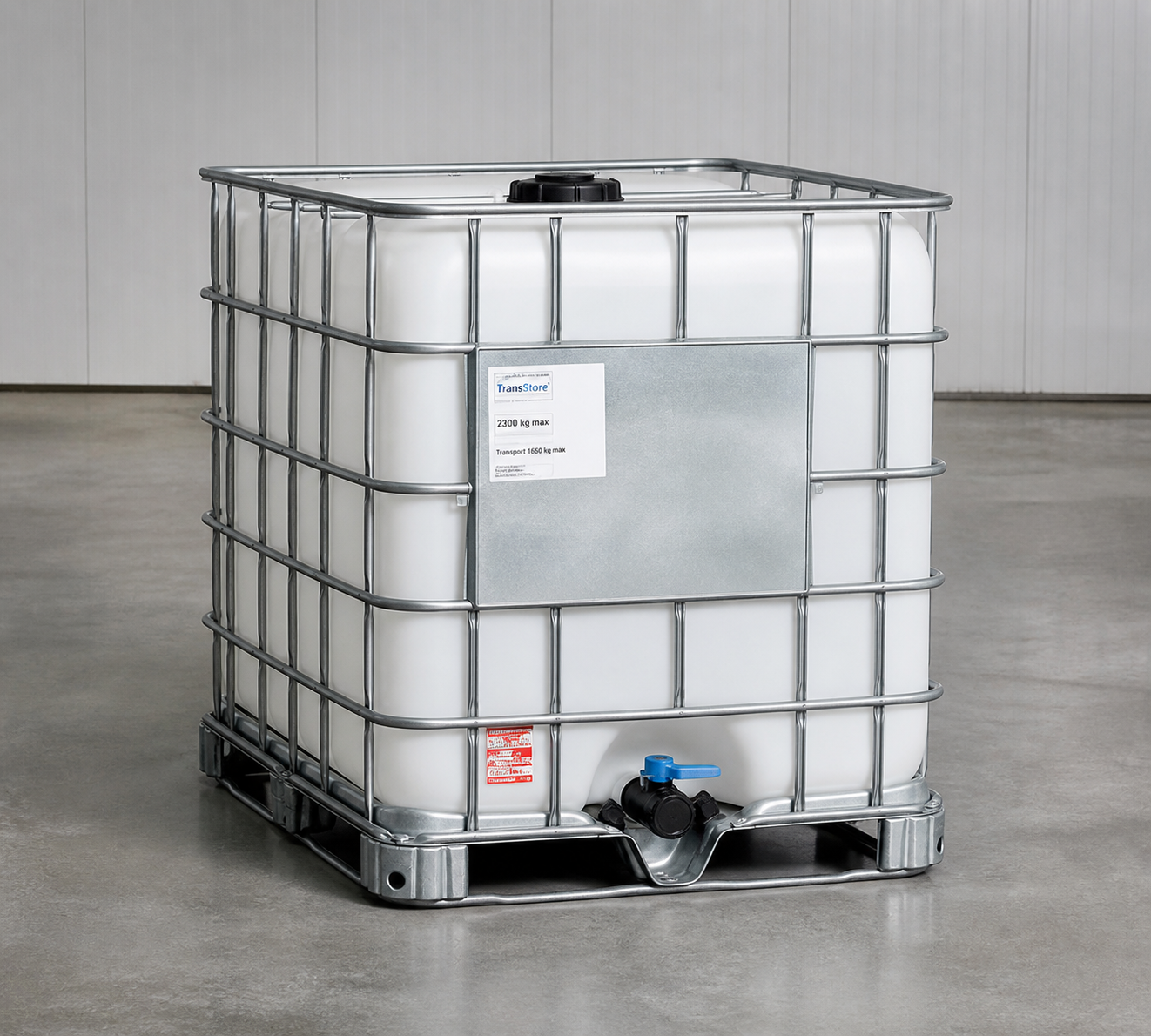
IBC totes are tall and, when full, carry a high center of gravity, so securement is a genuine safety issue. A shifting or tipping tote on the road endangers the driver and everyone around the vehicle. Loads must be blocked and braced or strapped so they cannot move in transit.
Even empty totes need attention, because their light weight lets them bounce and skid. Load totes squarely, use straps rated for the weight, and protect the cages from being crushed by tie-downs. Following commercial cargo securement rules is not just good practice; it is a legal requirement for over-the-road transport.
- Block and brace or strap totes against forward and side movement
- Use tie-downs rated for the loaded weight
- Load full totes low and squared to reduce tipping risk
- Secure empties too, since they slide easily
- Protect cages from crush damage under straps
Coordinate Multi-Site Programs
Companies with several plants, depots, or customer locations gain the most from a coordinated program. When one central plan governs deliveries and recoveries across all sites, you can balance totes between locations, pool volumes for fuller trucks, and standardize how every site handles containers.
Central visibility, even a simple shared tracker of how many totes sit where, prevents the common problem of one site starved for containers while another drowns in empties. A single coordinating partner across sites removes the friction of juggling multiple carriers and schedules.
Let Logistics Work Both Ways
The difference between an expensive tote habit and an efficient circular program is almost entirely in the logistics. Plan pickups, run milk runs, own the empty recovery, secure loads properly, and coordinate across sites, and you will spend less, waste less, and cut emissions from empty miles at the same time.
IBC Tote Solutions provides transport, scheduled pickups, and empty recovery, and can help design routes and multi-site programs so your trucks rarely run empty. To set up delivery and reverse logistics that keep your totes circulating, use our quote form or email info@ibctotessolutions.com.