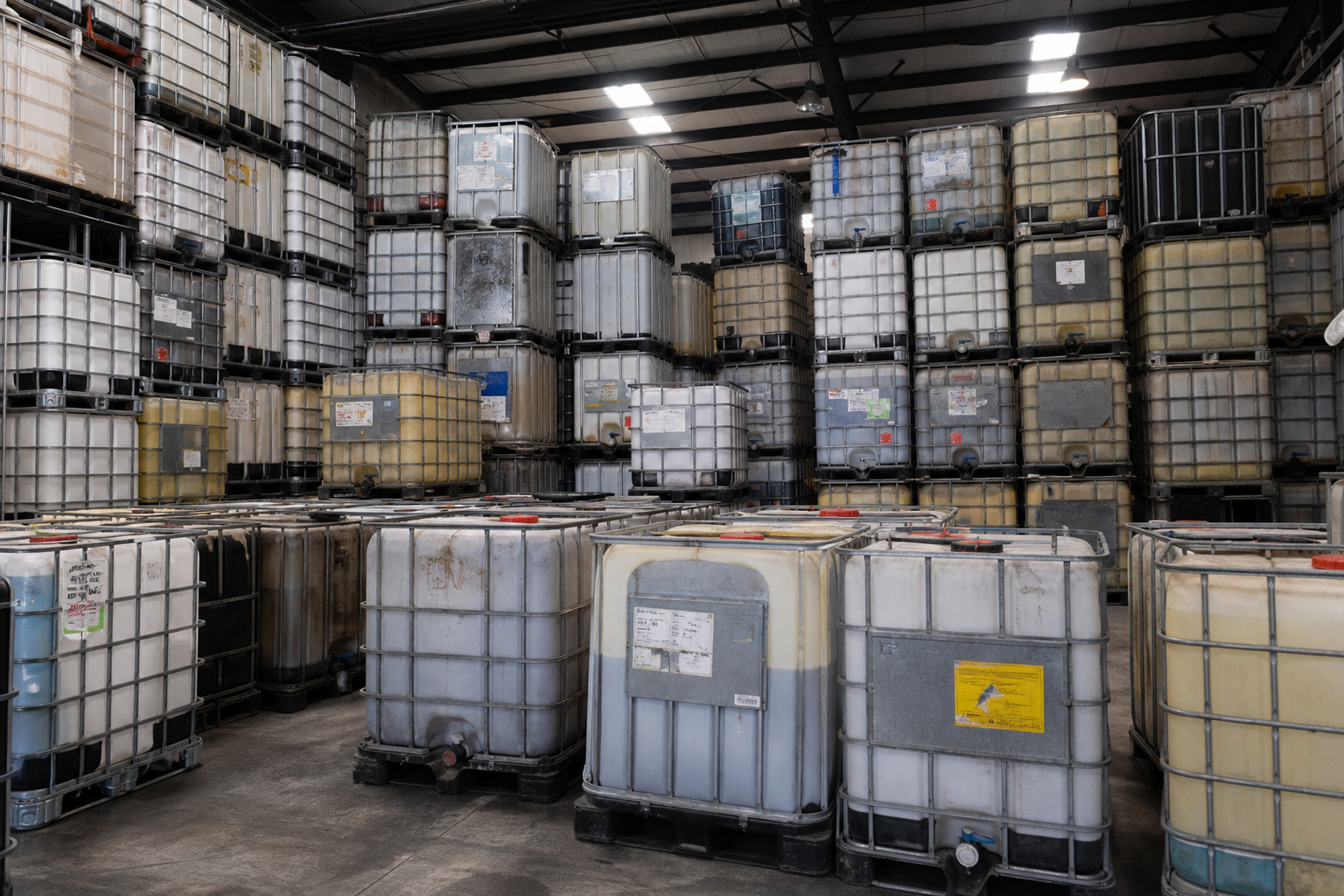
Why a used IBC tote makes an excellent garden bed
The intermediate bulk container is close to an ideal raised bed once you look past its industrial origins. The inner bottle is high density polyethylene, a food contact plastic that shrugs off soil moisture, freeze and thaw cycles, and ultraviolet exposure far better than untreated lumber. The galvanized steel cage adds rigidity, so a bed built from a tote will not bow outward under the weight of wet soil the way a screwed together wooden frame eventually does.
A standard tote also gives you a lot of usable volume for the footprint. A 275 gallon bottle measures roughly 40 by 48 inches at the base, which is a generous planting area, and you decide the depth by where you cut. Reusing the container is the greener and cheaper path by a wide margin: you divert dozens of pounds of durable material from downcycling and you avoid buying new cedar or composite boards that cost several times what a reconditioned tote does.
Confirm the prior contents before anything grows in it
Food safety starts with history, not scrubbing. Before you plant anything edible, you need to know what the tote last held. Totes that carried food grade syrups, juices, vinegar, or edible oils are the safest starting point. Totes that held pesticides, solvents, fuels, or unknown industrial chemistry should never be used for growing food, no matter how well you clean them, because HDPE can absorb and slowly release some compounds.
Reputable suppliers track prior contents and can provide that information. When you source a tote for a food garden, ask for one with a documented food grade history, and look for residual labels or placards that identify the last product. If you cannot verify the history, keep that tote for non edible uses such as ornamental flowers, rain capture, or tool storage.
Cutting the bottle safely and cleanly
Plan your cut height first. A shallow bed of 12 to 18 inches suits most vegetables and drains quickly, while a deeper cut keeps more soil volume and moisture for thirsty crops. Mark a level line all the way around using a marker and a length of string as a guide so the top edge stays even.
HDPE cuts easily but the process deserves respect. Empty and rinse the bottle first, then work outdoors with eye protection and gloves.
- Use a jigsaw with a fine tooth blade, a reciprocating saw, or a sharp utility knife for thinner sections.
- Cut the steel cage bars with an angle grinder or bolt cutters and file the stubs so no sharp metal remains.
- Deburr the plastic edge with sandpaper or a heat gun pass to remove slivers that could cut hands during planting.
- Keep the removed top section; it makes a shallow seed tray, a cold frame lid base, or a second small planter.
Drainage, liner, and soil setup
HDPE holds water perfectly, which is a problem for roots. Drill an even grid of holes across the base, roughly one hole every four to six inches using a half inch bit, so excess water escapes and roots do not sit in a stagnant reservoir. For beds that will bake in full sun, elevating the tote slightly on blocks improves airflow and drainage further.
Line the bottom with a layer of landscape fabric or coarse gravel to keep soil from washing out of the holes while still letting water pass. Then fill with a quality raised bed mix. Because the walls are solid plastic rather than porous wood, these beds retain moisture longer than lumber beds, so you can often water less frequently, which is a quiet efficiency benefit over a hot growing season.
Vertical gardens and space saving layouts
The rigid cage makes totes a natural frame for vertical growing. You can lay a tote on its side, cut planting windows into the upper face, and grow strawberries, herbs, or lettuce in a stacked wall configuration. The cage bars double as anchor points for trellis netting, which lets climbing crops such as cucumbers, peas, and pole beans grow upward and free space at the base for companion plants.
Some gardeners cut a single tote into two or three shallow trays for a tiered arrangement, or combine several totes into a modular bed system that can be rearranged as a garden evolves. Because the material is consistent from unit to unit, totes line up cleanly and look intentional rather than improvised.
Longevity, ultraviolet protection, and winter care
An untreated HDPE bottle will last many seasons outdoors, but sunlight slowly degrades any exposed plastic. To extend the life of a repurposed bed, you can paint the outside with an exterior latex paint rated for plastic, or clad the outside with reclaimed boards for a finished look that also shades the plastic. Painting has a second benefit in hot climates because a light color reflects heat and keeps root zones cooler.
The galvanized cage resists rust for years, though cut ends are the first place corrosion appears, so a dab of cold galvanizing spray on exposed metal pays off. In freezing regions, HDPE tolerates winter well as long as the drainage holes prevent trapped water from expanding against a sealed base. Left in place and cared for, a tote bed routinely outlasts two or three wooden beds built over the same span.
Beyond garden beds: other backyard repurposing ideas
The same container that makes a good planter also solves other outdoor problems. Whole totes become excellent rainwater harvesting tanks when fitted with a spigot and a screened inlet, capturing roof runoff for irrigation. Cut and modified, they serve as compost bins, potato towers, small pond liners, animal feed or water troughs, and firewood or tool storage.
- Rainwater collection tank with a bottom bulkhead fitting and overflow.
- Two bin compost system built from a single tote divided in half.
- Livestock or wildlife water trough using a food grade unit.
- Cold frame or mini greenhouse base topped with a clear lid.
Where to source the right tote
The success of every project above depends on starting with the correct container and knowing its story. A reconditioned, verified food grade tote costs a fraction of new materials and carries a documented history you can trust for edible gardening.
IBC Tote Solutions buys, sells, reconditions, and repurposes used totes from our base in Berea, Ohio, and we can help you find units suited to food safe gardening or heavier industrial reuse. If you are planning a raised bed project or need several matched totes for a larger layout, send the details through our online quote form or email info@ibctotessolutions.com and we will point you to the right stock.