Why reconditioning exists at all
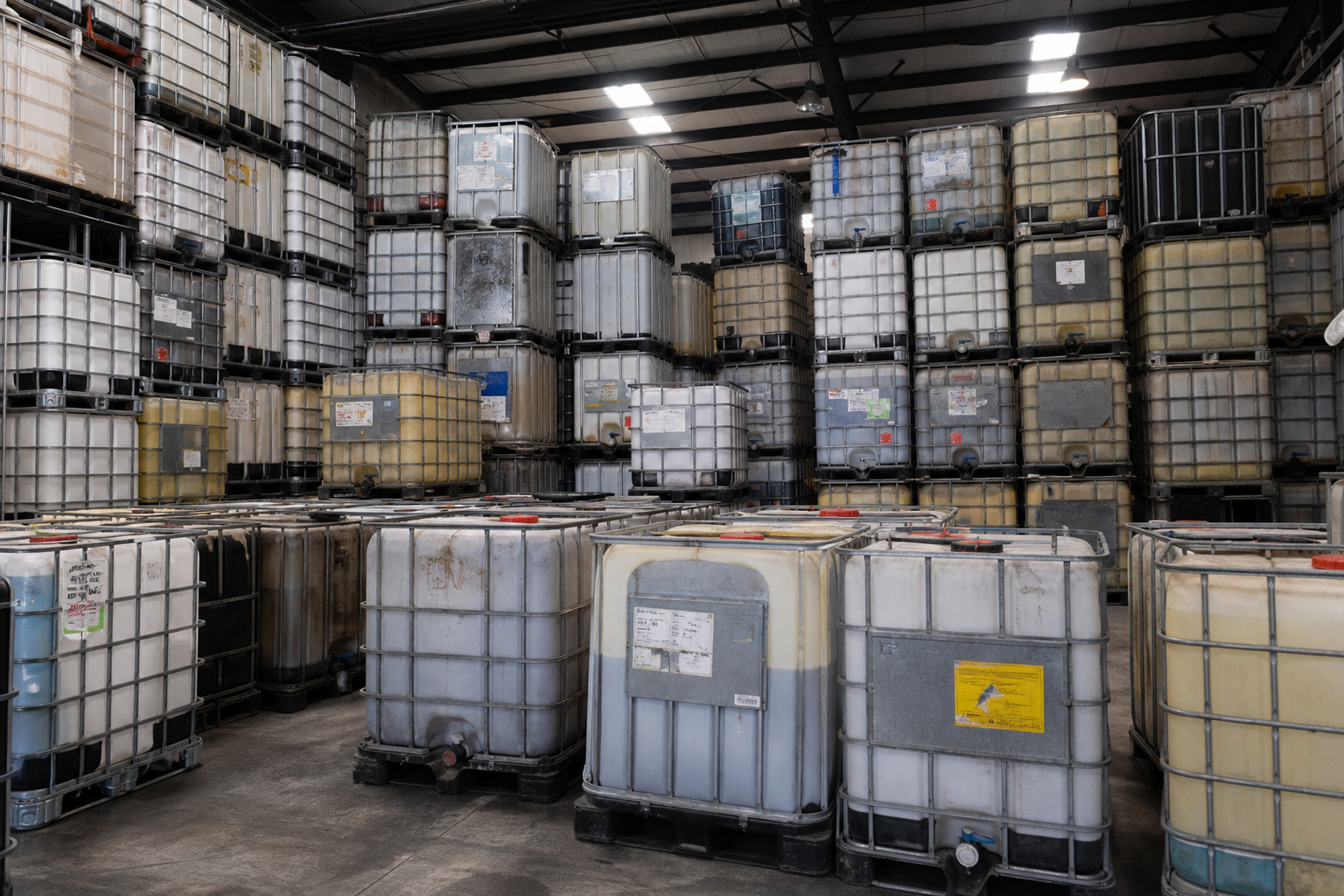
Every year, millions of intermediate bulk containers finish a single trip carrying a liquid product and then sit idle. The bottle is a rugged 275 or 330 gallon HDPE vessel wrapped in a galvanized steel cage on a pallet base. That combination is built to survive years of handling, so throwing it away after one use is both wasteful and expensive. Reconditioning is the industrial process that closes that gap.
The idea is simple even if the execution is technical: take a container that has done its job once, restore it to a known clean and structurally sound condition, and put it back into circulation. A reconditioned tote costs a fraction of a new one, and it keeps roughly a hundred pounds of plastic and steel out of the waste stream. That is the reuse-first logic that drives everything IBC Tote Solutions does.
Step one: intake and sorting
Reconditioning starts long before any water touches a tote. When used containers arrive, they are logged and sorted by prior contents, bottle condition, and cage integrity. This first triage decides the entire path a tote will take.
A container that held a benign, water-soluble product is a very different candidate than one that held an aggressive solvent or a resin that cured inside. Sorting protects workers, keeps cross-contamination out of the wash line, and routes each unit to the treatment it actually needs rather than a one-size-fits-all process.
- Prior contents recorded from labels, placards and paperwork
- Bottles graded by discoloration, odor retention and residue
- Cages checked for crush damage, rust and weld failures
- Pallet bases sorted by material and structural condition
- Units flagged for wash-and-return, rebottle or recycle
Step two: inspection and diagnosis
After sorting, each tote gets a closer look. Inspectors examine the HDPE bottle for stress cracking, bulging, deep gouges and UV chalking, since sunlight slowly degrades unprotected polyethylene. The valve, cap and gasket are checked because these small parts are the most common leak points on an otherwise perfect container.
The steel cage is inspected for bent tubing, broken welds and corrosion, and the base is tested for the strength it needs to be safely forklifted and stacked. This diagnosis determines whether a tote can simply be washed, whether it needs component repair, or whether the bottle should be replaced entirely while the still-good cage and base are reused.
Step three: the wash line
Washing is the heart of reconditioning. Totes destined for reuse move through a wash line that combines hot water, controlled detergents and high-pressure spray heads that reach every interior surface. The temperature, chemistry and dwell time are matched to the residue being removed, which is exactly why accurate intake sorting matters so much.
A general industrial clean removes films, odors and light residues. A food-contact clean is far more rigorous and follows sanitation practices designed to make the bottle safe for consumable products again. After the interior is cleaned, the exterior, cage and base are washed too, and the unit is drained and dried so no moisture is trapped before the next steps.
Step four: cage, frame and hardware repair
A tote is only as safe as its cage. Damaged tubing is straightened or replaced, failed welds are repaired, and corroded sections are addressed so the frame can again protect the bottle and carry stacking loads. The pallet base is repaired or swapped so forklift pockets and footing stay sound.
Hardware gets attention too. Worn gaskets are replaced, and valves are cleaned, tested or fitted new. Most totes use standard NPT-threaded valve connections, which makes it straightforward to install the outlet and fittings a customer actually needs rather than whatever the tote happened to arrive with.
Step five: rebottling when the bottle is beyond reuse
Sometimes the bottle simply cannot be salvaged. It may be cracked, permanently stained, or have held a product that soaked into the polyethylene. In these cases the container is rebottled: a new HDPE inner bottle is installed into the reconditioned steel cage and base.
Rebottling is a smart middle path. It reuses the heavy, durable steel structure, which represents most of the container's embodied energy, while giving the customer a fresh, clean bottle with no residue history. The result costs less than a brand-new caged tote and still keeps a large amount of steel in service instead of the scrap pile.
Step six: testing, certification and labeling
Before a reconditioned tote ships, it is verified. Washed and repaired units are checked for leaks and, where the standard requires it, tested to confirm the container holds pressure and does not seep at the valve, cap or seams. Totes intended for regulated transport must meet the relevant handling and marking requirements, and reconditioned containers are labeled to reflect their restored status.
This final stage is what separates real reconditioning from a quick rinse. A properly certified tote gives the buyer confidence that the container will perform, stay sealed in transit, and comply with the rules that apply to how it will be used.
Getting a reconditioned tote that fits your job
The right container depends on your product, your fill and dispense method, and how the tote will move and be stored. A food producer, a chemical blender and a rainwater system builder all need different things from the same 275 or 330 gallon platform, and the reconditioning path can be tailored to each.
If you want reconditioned totes matched to your application, or you have used containers you would like to sell back into the reuse stream, reach out to IBC Tote Solutions through our quote form or email info@ibctotessolutions.com. We will help you pick the right grade, valve and configuration and keep good containers working instead of wasted.