What a Circular Economy Actually Means
The economy most industries still run on is linear: extract raw materials, make a product, use it once, throw it away. A circular economy replaces that straight line with loops. Products and materials are kept in use for as long as possible, repaired and reused, and only recovered as raw material when nothing else is left. The goal is to design waste out of the system rather than manage it at the end.
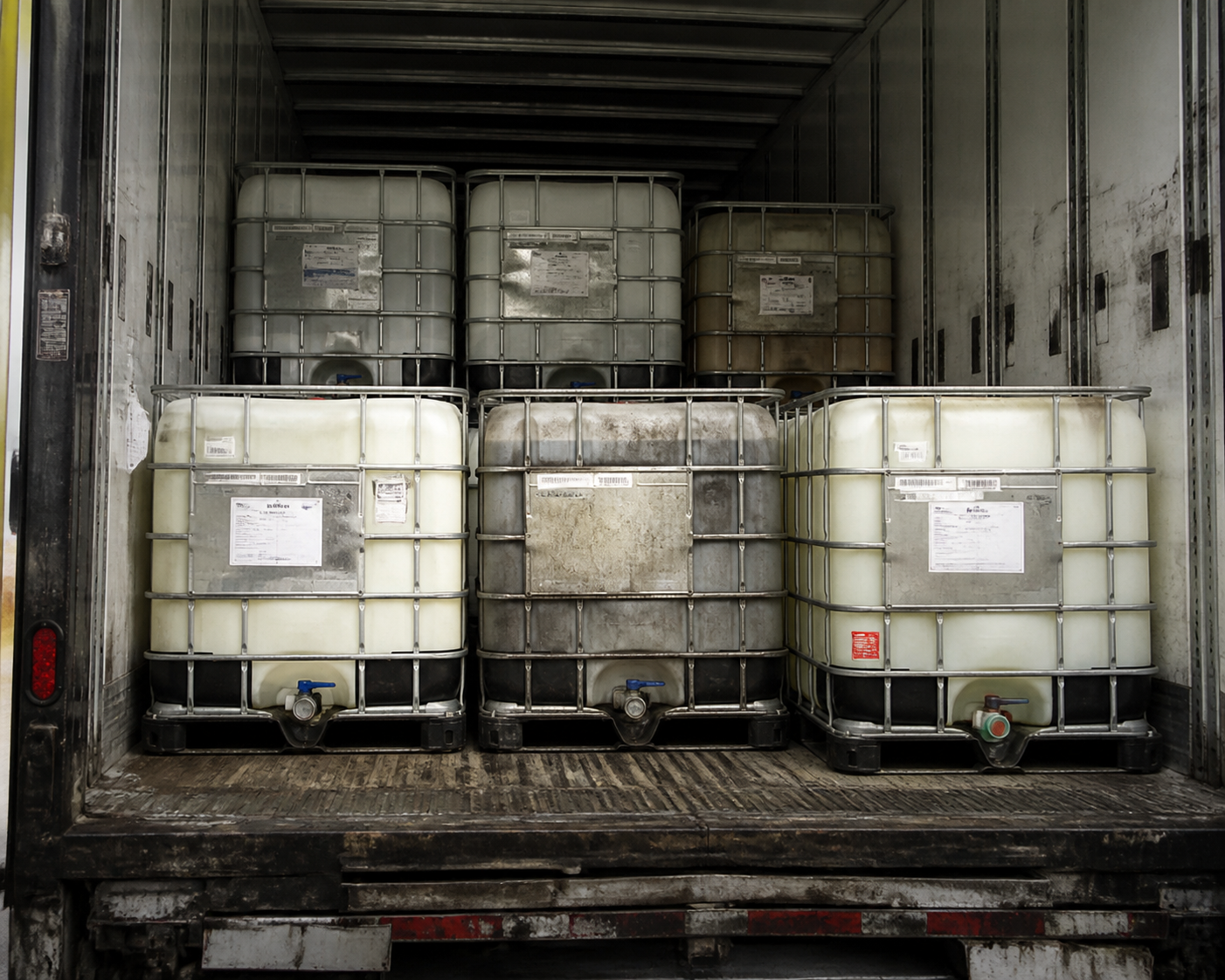
Industrial packaging is one of the clearest places to see this idea work. A container built to survive freight, forklifts and years of outdoor storage is far too durable to justify a single trip. Reusing it is not a compromise; it is the container doing the job it was engineered to do.
The Waste Hierarchy: Why Reuse Beats Recycle
The waste hierarchy ranks options from best to worst for the environment. It is not a list of equally good choices, it is a strict priority order, and recycling sits well below reuse. Many companies celebrate a recycling program while ignoring the far larger wins available higher up the ladder.
The order matters because each step down the ladder loses more of the value that was already built into the object.
- Prevent: avoid creating the packaging waste in the first place.
- Reuse: keep the whole object in service through refill, repair and reconditioning.
- Recycle: break the object down and reprocess it into new material.
- Recover: capture energy from what remains, for example through incineration.
- Dispose: landfill, the last resort.
The Hidden Cost of Recycling
Recycling feels virtuous, and it is genuinely better than landfill, but it is not free and it is not lossless. Recycling an IBC tote means collecting it, transporting it, granulating the plastic, washing it, and reprocessing it into pellets that are usually blended into lower-grade products. Every one of those steps consumes energy, water and money.
There is also material degradation. HDPE polymer chains shorten a little each time they are melted and reprocessed, so recycled resin generally cannot match virgin material for demanding uses. That is why recycled plastic tends to flow downhill into less critical products. Recycling recovers the material but discards the manufacturing value: the molding, the shaping, the assembly of cage and pallet. Reuse keeps all of it.
How Reuse Closes the Loop
Reuse keeps a container as a container. A used IBC tote is collected, inspected, cleaned, repaired and returned to service carrying liquids again, often for many more cycles. The steel cage is straightened, worn valves are replaced, and the bottle is tested and washed. The object never stops being useful, so it never becomes waste.
Reconditioning is the engine of this loop. It requires only a fraction of the energy of making a new tote, because the hard part, forming the plastic bottle and welding the cage, is already done. A washed and inspected tote is ready to work again in days, not through an energy-hungry industrial remanufacturing chain.
The Numbers Behind Reuse
The economic and environmental cases point the same direction, which is rare and worth noting. Reuse is almost always both cheaper and cleaner than buying new and recycling old.
When a container can make many trips instead of one, its total footprint per use collapses, because the energy and material of manufacturing are spread across all those trips.
- A reconditioned tote typically costs a fraction of a new one, freeing budget for other priorities.
- Manufacturing energy is amortized across many service cycles instead of a single trip.
- Every reused tote avoids the full carbon cost of molding a new bottle and welding a new cage.
- Reuse diverts a bulky, durable item from both the recycling stream and the landfill.
Building Circularity Into Your Operation
Going circular with packaging is not a single purchase, it is a habit. It starts with treating empty containers as assets rather than trash. A tote that has finished one job may be perfect for another user, and a robust return and reconditioning channel keeps those assets moving.
Practical steps include specifying reconditioned totes when you buy, keeping empties clean and dry so they qualify for reuse, and partnering with a company that will collect and recondition them rather than letting them pile up. The difference between a circular operation and a linear one is often just whether someone is set up to take the empty container back.
The Role of a Reconditioning Partner
None of this works without infrastructure. Someone has to collect used totes, grade them honestly, clean them to the right standard, repair them and match them to the next user. That reverse logistics network is what turns the circular idea into a working reality on the ground.
This is precisely the loop we run at IBC Tote Solutions. We buy used totes, recondition them, resell them, and recycle only what truly cannot be saved, so material stays at its highest value for as long as possible. It keeps sturdy containers working, cuts cost for buyers and reduces waste.
Start Closing Your Loop
If your operation is still sending usable totes to the crusher or the landfill, there is value walking out the door. Whether you have empties to sell or need reconditioned totes to buy, the circular path is usually the cheaper and greener one.
Send us a note through our quote form or email info@ibctotessolutions.com, and we will help you turn a linear packaging habit into a closed loop.