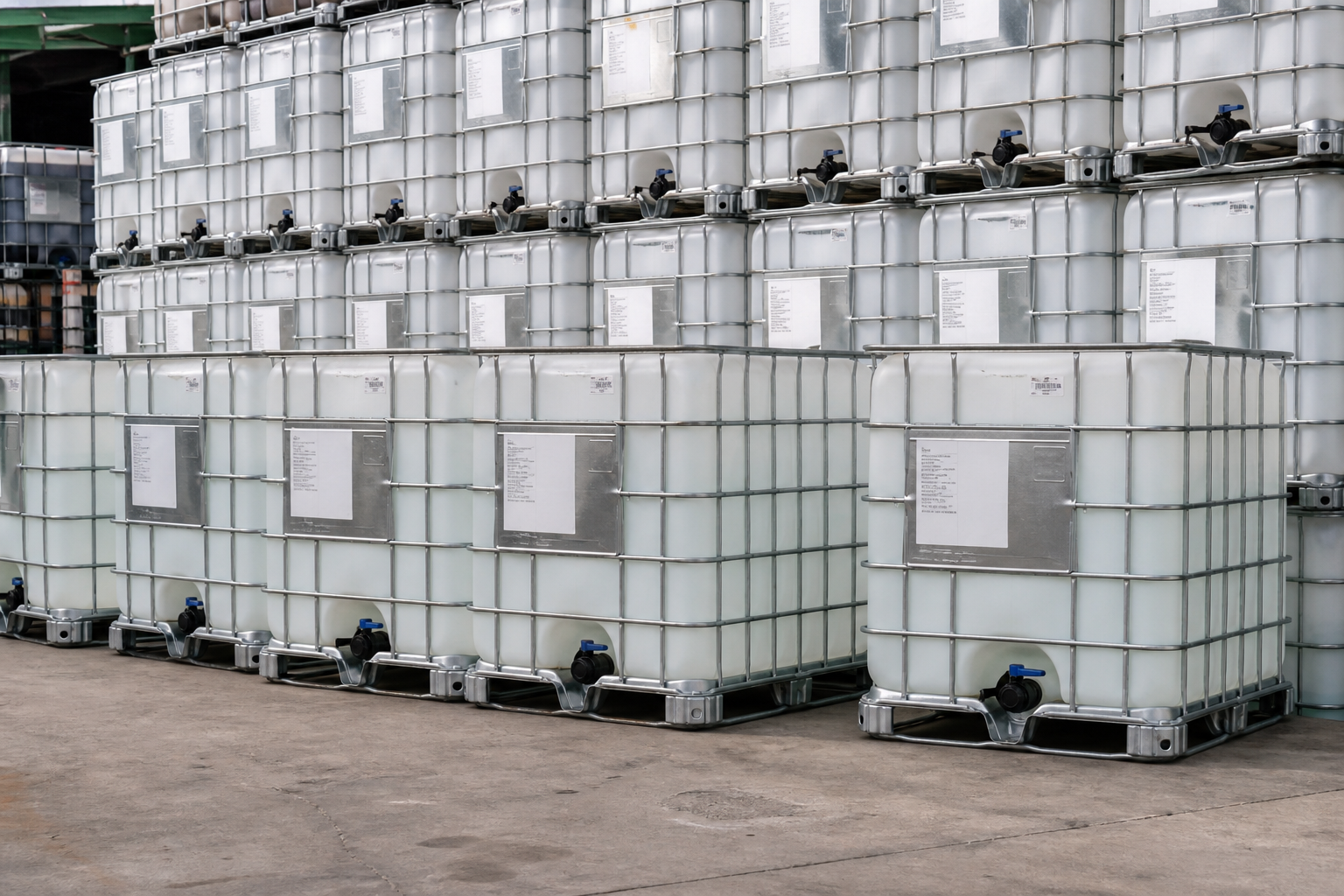
Clean is not the same as validated
A tote can look spotless and still fail a food safety audit. In regulated food and beverage work, the standard is not whether a container appears clean but whether you can demonstrate, with records, that a defined cleaning process reliably removes product residue, allergens, and microbial load. That distinction, between clean and validated, is the entire subject of this article.
Validation means the wash method was proven effective under controlled conditions and that every subsequent wash follows that proven method. Documentation is the evidence chain that lets a customer, a certifying body, or an inspector confirm the tote entering your process is fit for food contact.
Start with prior contents tracking
You cannot validate a cleaning process if you do not know what you are cleaning off. Prior contents tracking is the foundation of food grade reuse. Every reused tote should carry a documented history of what it previously held, ideally back several cycles, so a cleaner can select the correct wash chemistry and a buyer can screen out unacceptable histories.
Certain prior contents disqualify a tote from food service entirely. A container that held pesticides, petroleum products, solvents, or strong industrial chemistry should never re enter a food supply chain, because polyethylene can retain trace compounds that no wash fully removes. Prior contents records are what make that screening possible rather than a guess.
What a wash certificate should contain
The wash certificate is the single most important document in food grade reuse. It is the cleaner's signed attestation of what was done and how, and it should be specific enough to reconstruct the process later. A vague certificate that only says the unit was cleaned is nearly worthless in an audit.
A strong wash certificate ties a specific tote, identified by serial or asset number, to a specific validated procedure on a specific date.
- Unique tote identifier and, where known, the prior product.
- Date, time, and operator or facility that performed the wash.
- Wash method used, including water temperature, detergent or sanitizer chemistry, and concentrations.
- Rinse and dry steps and any final sanitizing pass.
- Verification results such as visual inspection, rinse water testing, or swab results.
- A statement of the standard the wash meets and an authorized signature.
Cleaning methods and why the process is chosen
Food grade cleaning typically runs through stages rather than a single rinse. A pre rinse removes bulk residue, a hot detergent wash breaks down fats, proteins, and sugars, a thorough rinse clears the detergent, and a sanitizing step reduces microbial load. Water temperature and detergent chemistry are matched to the prior product, because the residue left by honey differs greatly from that left by an emulsified oil or a fermented beverage.
The reason to validate rather than improvise is repeatability. A validated procedure has been tested to show that following those exact parameters produces a consistently acceptable result. Once validated, the process must be followed the same way every time, and any change requires revalidation so you never quietly drift away from the conditions that were proven to work.
Allergen control and cross contact
Allergens deserve their own attention because the consequences of a miss are severe. If a tote previously held a product containing a major allergen such as milk, egg, soy, tree nut, peanut, wheat, or a fish or shellfish derivative, the cleaning process must be validated specifically to remove that allergen to a safe level, not merely to remove visible residue.
Many food manufacturers manage this by dedicating certain totes to certain product families, or by requiring allergen specific validation and testing before a tote crosses from one allergen profile to another. The prior contents record is again the enabling document, because it tells you which allergen risks a given tote carries.
Building an audit-ready records system
Auditors do not reward good intentions; they reward traceable records. An audit ready system links each tote to its full lifecycle history and can retrieve those records quickly on request. When a certifying body or a customer's quality team asks to see the cleaning history of a specific unit, the answer should take minutes, not days.
Practical systems assign each tote a permanent identifier, retain wash certificates and prior contents logs against that identifier, and keep the records for a defined period aligned with the customer's requirements. Retained rinse or swab samples add another layer of defensibility. The goal is that any tote in your fleet can tell its own story on demand.
Documentation as a business advantage
Rigorous documentation is not only a compliance burden; it is a commercial asset. Buyers pay more readily and audits pass faster when the paperwork is airtight, and strong records let you confidently reuse totes that a less organized operation would scrap. Every tote you can safely return to service instead of discarding is a direct saving and a reduction in packaging waste.
That is the sustainability and cost story running underneath the compliance one. Reuse is cheaper and greener, and validated cleaning with solid documentation is precisely what makes food grade reuse possible at all.
Getting help with food-grade sourcing and records
If your operation needs food grade totes with verifiable histories, or you want guidance on the documentation your customers and auditors will expect, we can help. IBC Tote Solutions reconditions and supplies totes with attention to prior contents and provides the records that make reuse defensible.
Reach out through our online quote form or email info@ibctotessolutions.com with your product, volume, and compliance requirements, and we will help you build a supply that stands up to scrutiny.