Knowledge Hub · 8 min read · Updated 2026-11-02

Clever Ways to Repurpose an IBC Tote

From rainwater harvesting to aquaponics and dock floats — useful second lives for a retired IBC tote, and what to check first for each.

Need totes, not just answers? Get a quote.

US ZIP or Canadian postal code
US or Canada phone number

Free, no-obligation quote request. Orders and pickups are fulfilled through our regional partner network. See our privacy policy.

Clever Ways to Repurpose an IBC Tote — IBC totes

The short answer

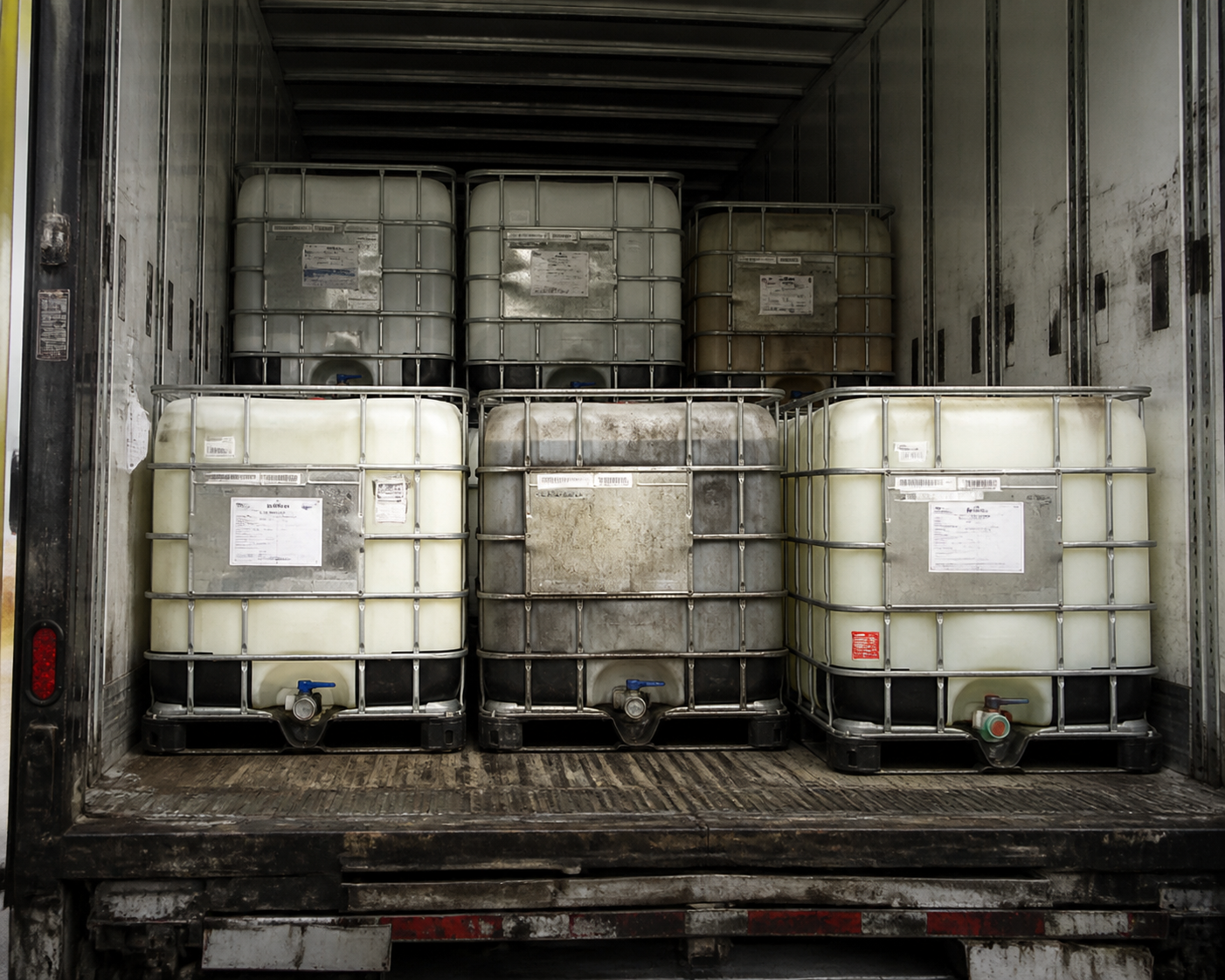
A retired IBC tote is 275 or 330 gallons of HDPE in a rigid, stackable, forkliftable cage — which makes it one of the most useful objects you can rescue from a waste stream. The best second lives are water storage, growing systems, and buoyant structures. Anything touching drinking water or food needs a tote with a known food-safe history, or a new bottle.

Water & rain

Water applications are a common second life, and totes suit them well:

  • Rainwater harvesting cisterns (link multiple totes for capacity)
  • Gravity-fed irrigation reservoirs
  • Livestock and paddock water troughs
  • Emergency and off-grid water storage

Grow & farm

Cut, plumbed, or stacked, totes become growing infrastructure:

  • Aquaponics fish-and-grow-bed systems
  • Raised planters and vertical garden walls
  • Compost tea brewers and liquid-feed tanks
  • Hydroponic nutrient reservoirs

Build & float

The sealed HDPE bottle is buoyant and the cage is structural:

  • Floating docks and swim platforms
  • Pontoon and work-raft bases
  • Erosion-control and ballast structures
  • Portable spill-containment berms

Finding a tote for your project

You can request a quote for used totes through our form; a partner supplier in our network follows up. Ask what each tote last held before you choose one for a water or growing project.

Request a quote →

Key takeaways

The short version to carry with you.

If you skim nothing else, keep these four principles in mind whenever you buy, reuse, or retire an IBC tote.

  • Grade and prior-contents history matter more than headline price — they decide what you can safely fill.
  • Reused and reconditioned totes usually cost less than new and keep HDPE and steel out of the landfill.
  • 275 and 330 gallon totes differ on pallet fit, clearance, and pump height, not just volume.
  • When a tote reaches end of life, sell it back, recondition it, or recycle it — never scrap the loop.

FAQ

Frequently asked questions.

Is it safe to collect rainwater in a used IBC tote?

For irrigation and non-potable use it can be, provided the tote only held food-safe or otherwise benign contents. Check the prior-product history first, rinse thoroughly, and shade the tote to slow algae growth in the translucent bottle.

Which totes should never be repurposed at home?

Any tote whose prior contents were pesticides, solvents, fuels, or unknown chemicals. If the history cannot be documented, do not use it for water, plants, or anything edible — send it for recycling instead.

How do I stop algae growing in a repurposed tote?

Block the light. Paint the bottle, wrap it in an opaque cover, or site it in shade. Algae needs sunlight through the translucent HDPE, so shading the tank is far more effective than treating the water after the fact.

Can I cut an IBC tote to build a planter or trough?

You can. The HDPE bottle cuts cleanly with a jigsaw, and the steel cage gives the finished piece its structure. Deburr every cut edge, and keep the pallet base intact if you still want to move it by forklift.

About IBC Tote Solutions

A referral service for used IBC totes.

Orders and pickups are fulfilled through our regional partner network. You can request quotes to buy, sell, recondition, move or recycle 275 and 330 gallon IBC totes with one form.

These guides are general information. If a section left you with a question specific to your contents, volume, or timeline, include it in your quote request and the supplier can answer it.

How quotes work

Send one request with your service, tote type, quantity and ZIP code. A partner supplier in our network follows up with a quote; prices and terms are set by that supplier.

About the service →

What you can request

Four ways to put this into practice.

Buy

Request reconditioned totes

Describe the grade, quantity and liquid, and a partner supplier quotes reconditioned or rebottled totes.

Buy totes →
Sell

Turn idle totes into cash

Have used totes taking up space? Request an offer from a partner supplier that buys used totes.

Sell your totes →
Recondition

Restore what you own

Request cleaning and inspection for totes you own, quoted by a partner supplier.

Reconditioning →
Recycle

End-of-life recycling

When a tote is truly done, request recycling so the HDPE bottle and steel cage go to recyclers.

Recycling →
Get a Quote